
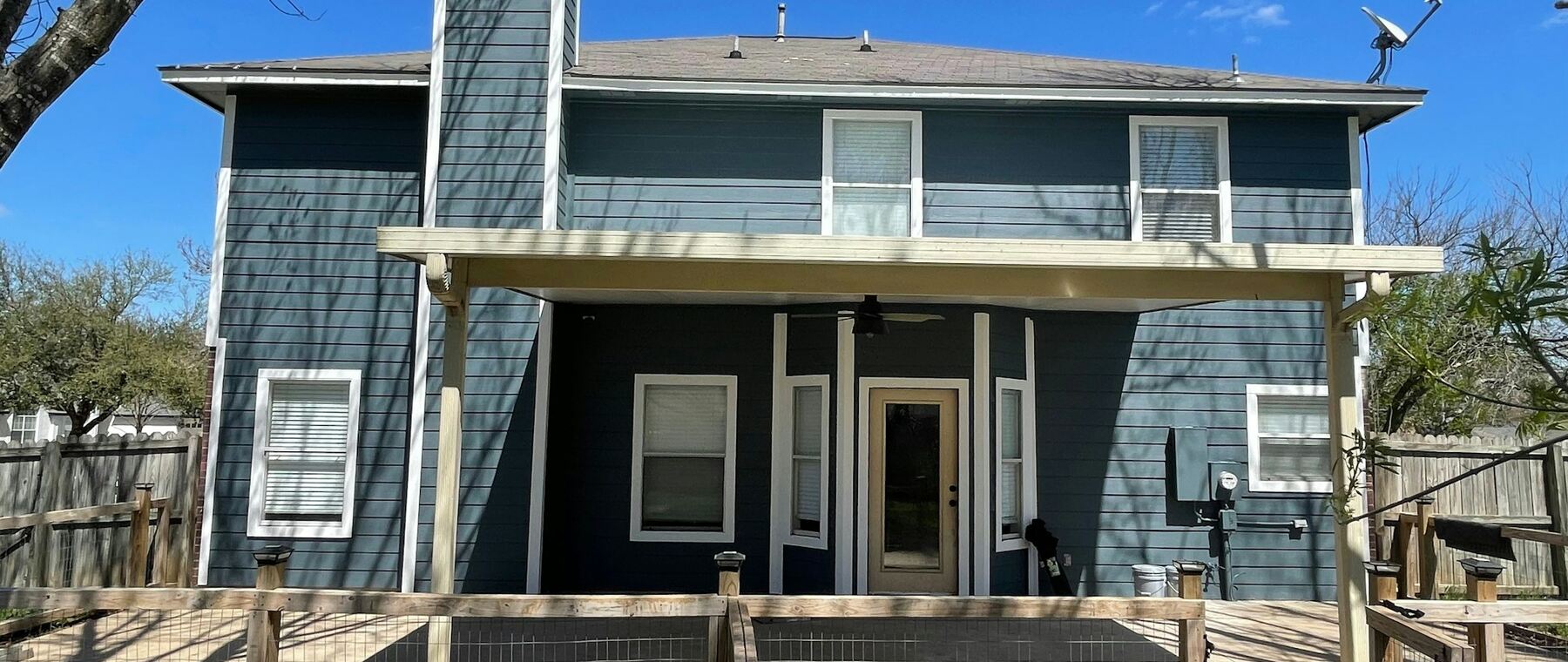
Decks were on Terry's list too. Most of a deck is invisible once it is finished: footings, ledger and framing. Those are the parts that decide whether it is still solid in fifteen years.
Where a deck fails, it fails at the ledger — the board bolted to the house. Nailed instead of bolted, or fastened through siding without flashing, and it either pulls away or rots the rim joist behind it. Done right it is lag-bolted or through-bolted into solid framing and flashed so water runs out rather than in.
Central Ohio frost depth means footings have to go deep enough that the ground freezing does not lift them. A deck on shallow footings moves every winter, and you can see it in the gaps at the house after two seasons.
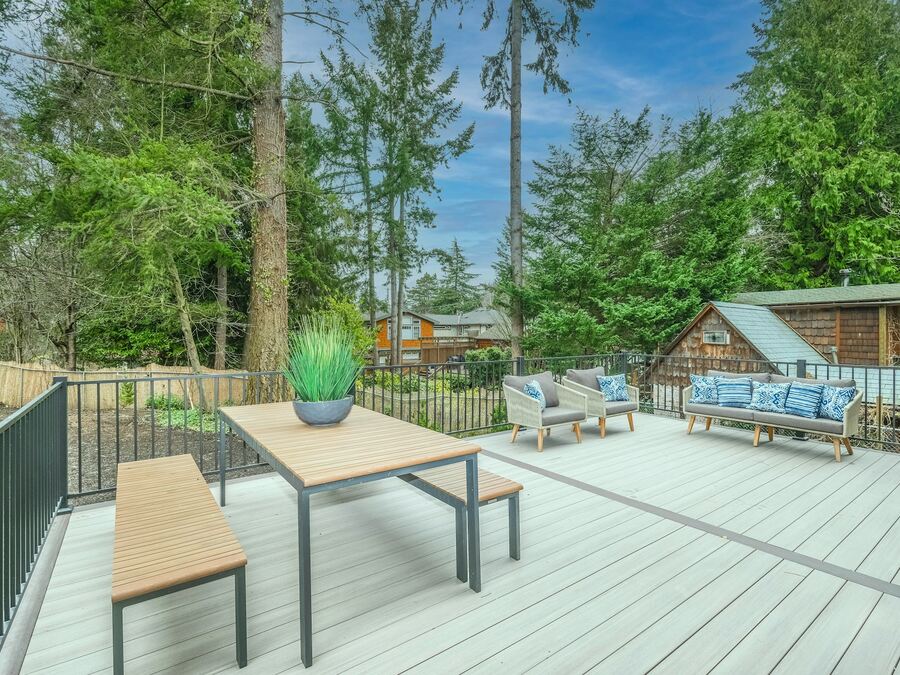
Pressure-treated, cedar and composite all build differently and cost differently, and the right answer depends on how long you plan to be in the house and how much you want to do to it every spring. Stairs are the part most often built wrong, and the part you use every day.
Or send the details through the form — photos of the problem help more than anything else you can write.
These come up on the same buildings, and it is the same crew either way.
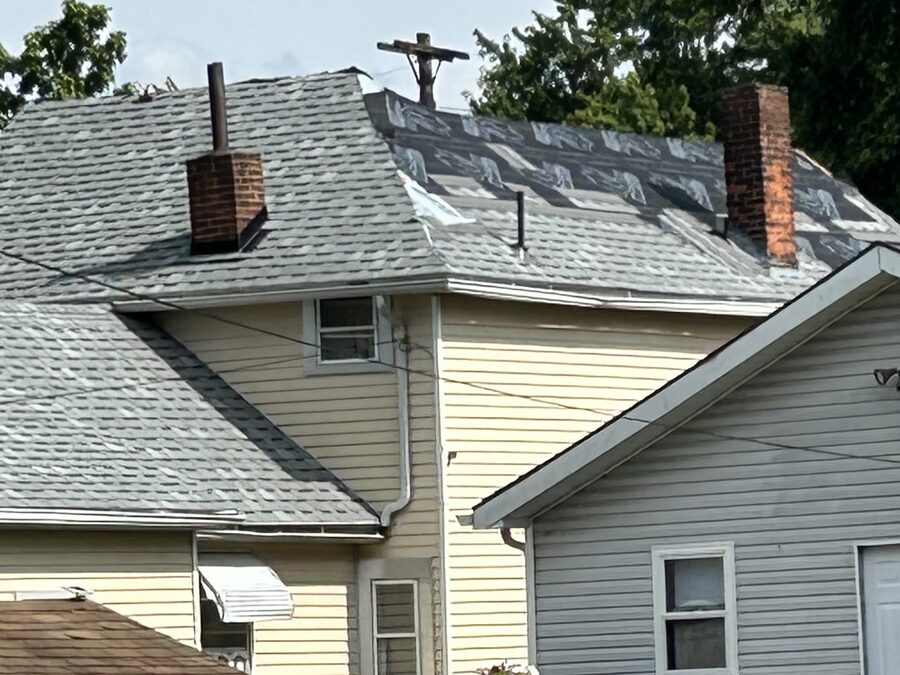
Tear the old roof off, look at what is underneath, and put a new one on that is built to sit there for decades.
Roof Replacement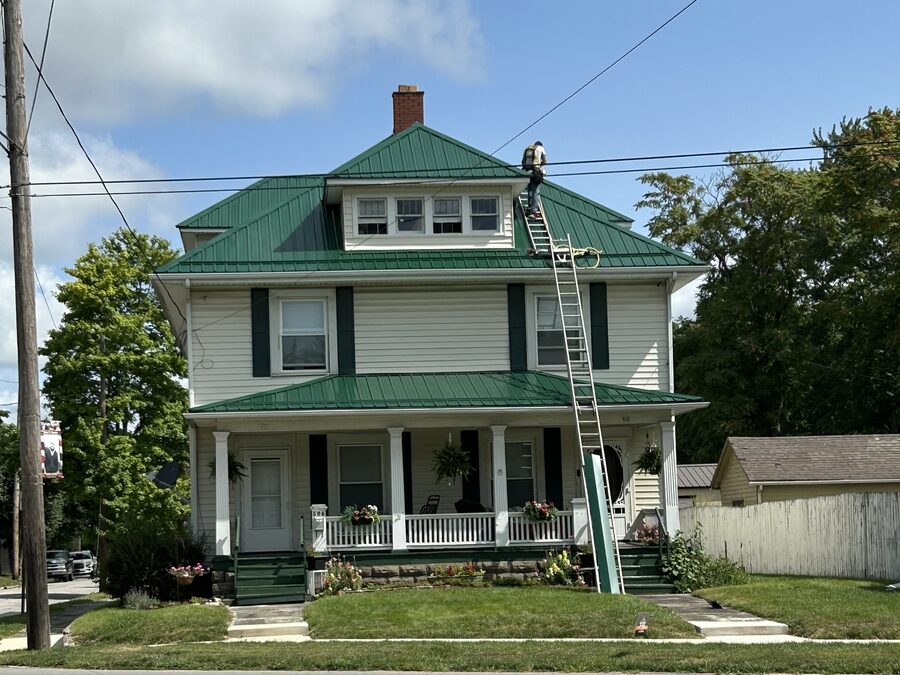
Standing-seam and exposed-fastener metal on houses, churches, barns and commercial buildings. Fifty years instead of twenty.
Metal Roofing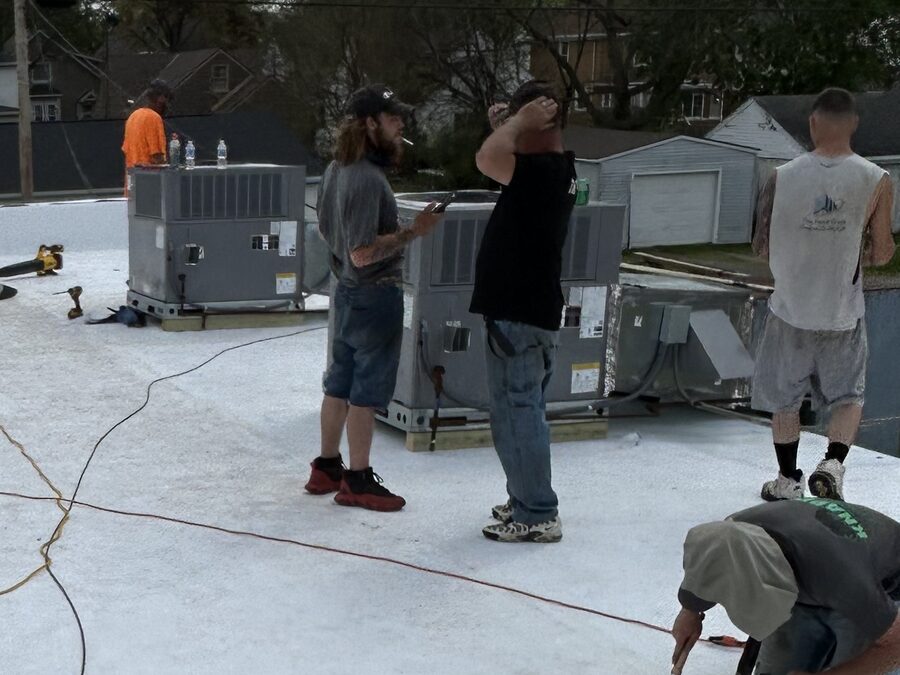
Single-ply membrane on low-slope and flat commercial roofs, with the building still open and running underneath.
Commercial & Flat RoofingCall or text (740) 251-8742 and describe the job — a roof, a porch, a whole exterior, a commercial flat roof. Photos help. You will get a straight answer about what it needs and what it does not.