
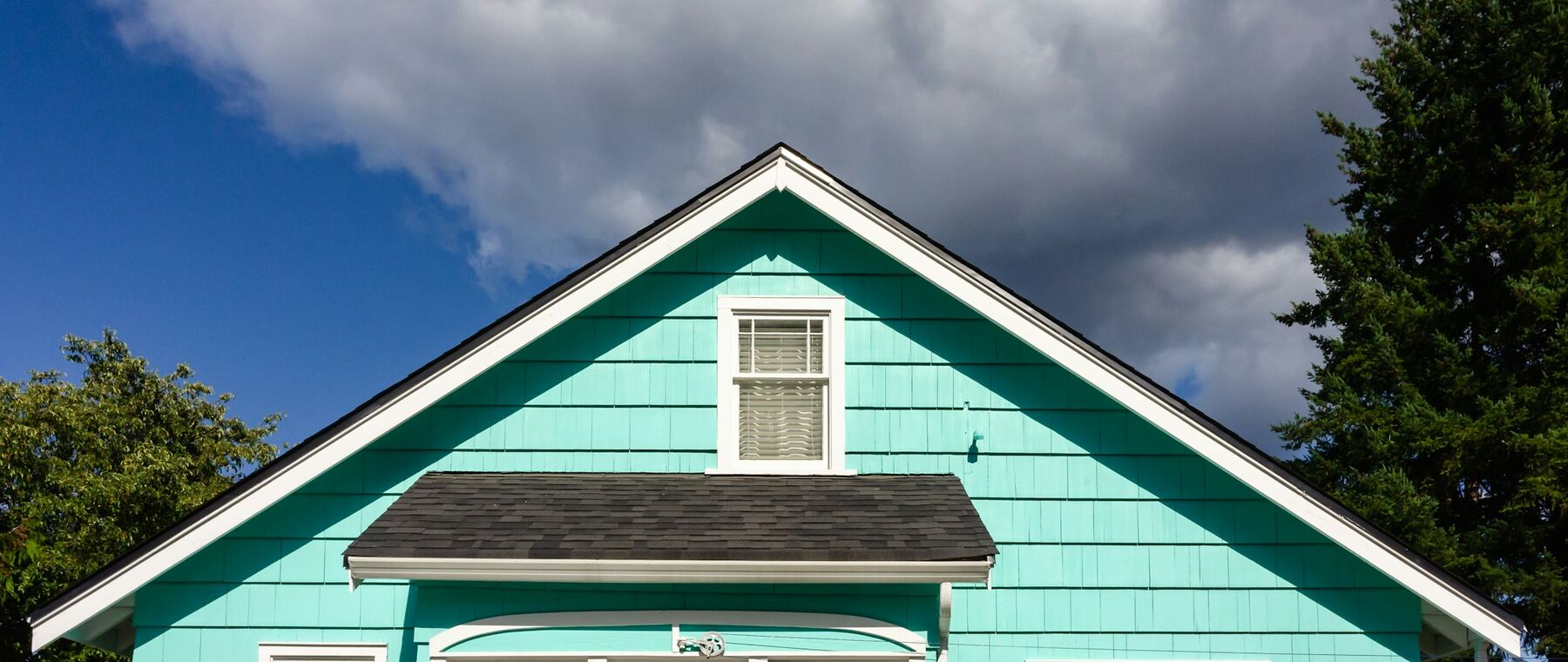
Windows were on Terry's list from the first conversation. The window itself is a product you can buy anywhere; what you are paying a contractor for is the opening it goes into and the twenty minutes of flashing and trim that decide whether it leaks.
An insert goes inside the existing frame — faster, cheaper, and it keeps whatever is wrong with the old frame. A full-frame replacement takes the whole thing back to the rough opening, which is the only way to deal with a sill that has been wet or a frame that is out of square. Which one is right depends on the opening, not on a sales script.
A window that is fastened out of square will not close cleanly and the seal fails early. Shimming at the right points, checking the reveal on all four sides, and flashing the head and sill properly is most of the skill in the job.
The job is not done at the exterior caulk line. Interior casing, stool and apron, insulation in the gap around the frame, and exterior trim or capping all belong in the same visit rather than being left for you to sort out.
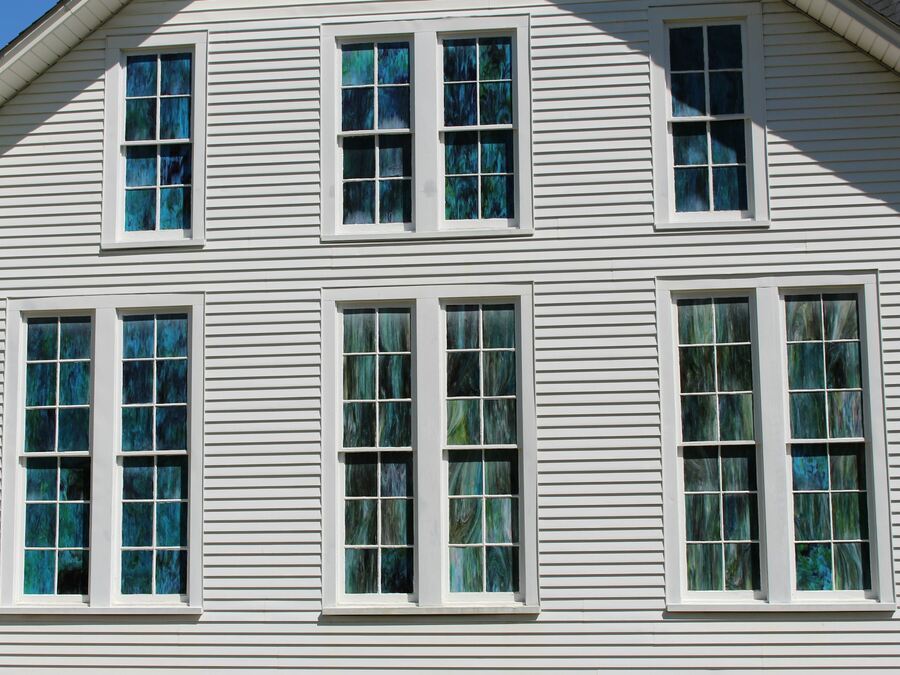
Or send the details through the form — photos of the problem help more than anything else you can write.
These come up on the same buildings, and it is the same crew either way.
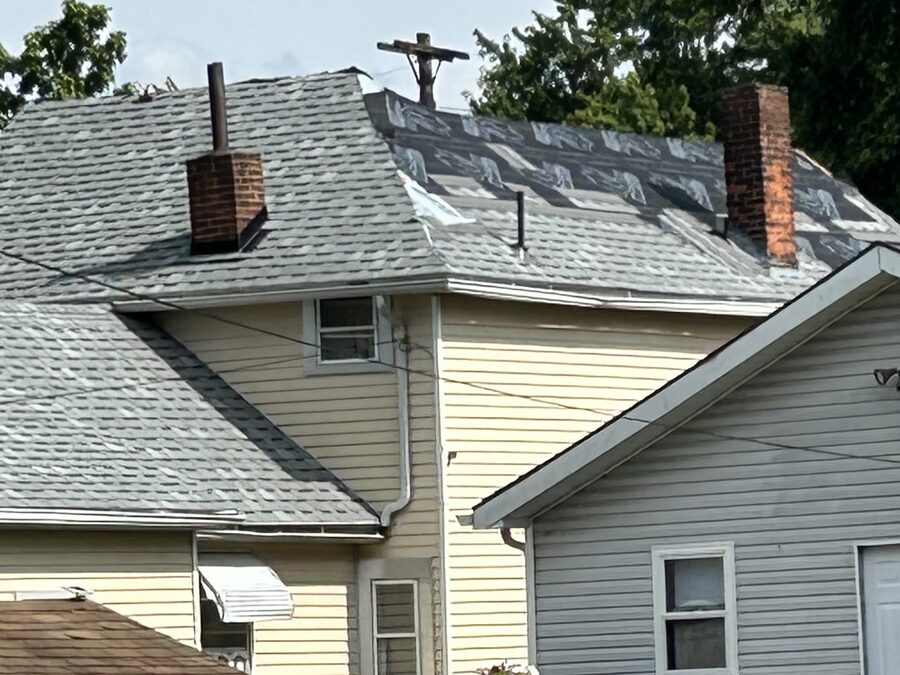
Tear the old roof off, look at what is underneath, and put a new one on that is built to sit there for decades.
Roof Replacement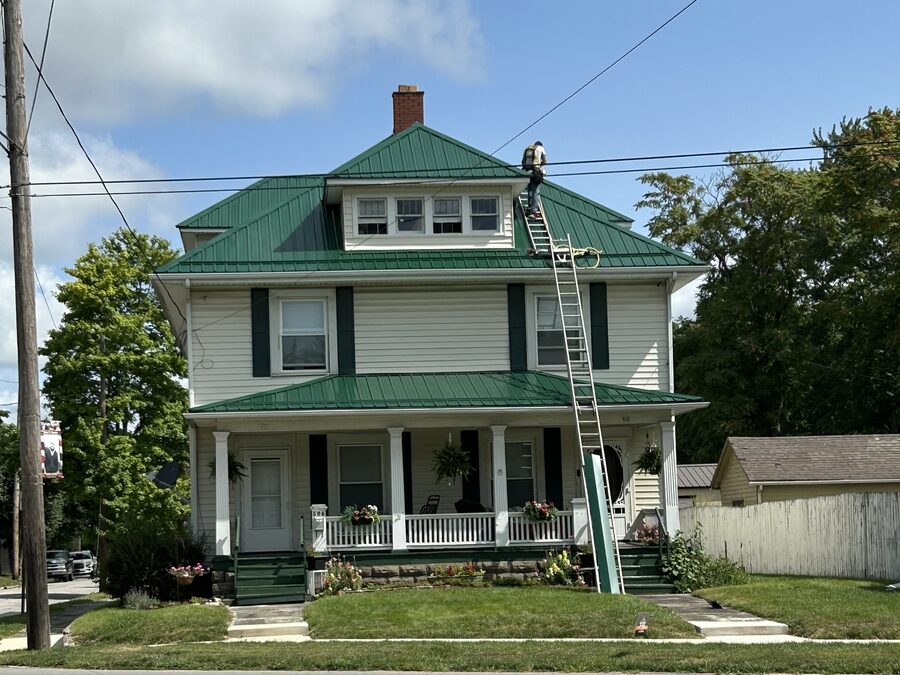
Standing-seam and exposed-fastener metal on houses, churches, barns and commercial buildings. Fifty years instead of twenty.
Metal Roofing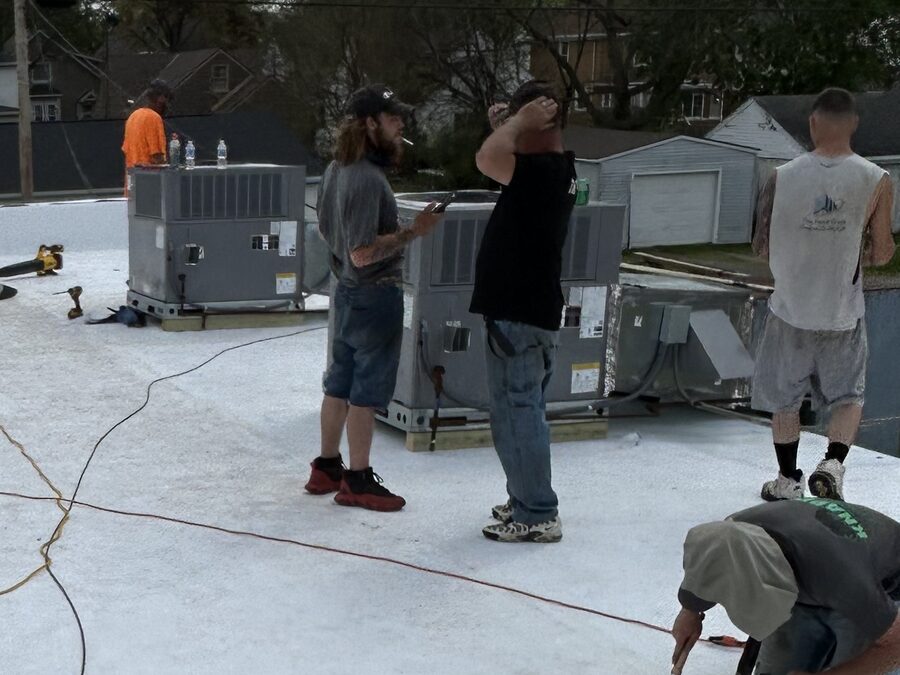
Single-ply membrane on low-slope and flat commercial roofs, with the building still open and running underneath.
Commercial & Flat RoofingCall or text (740) 251-8742 and describe the job — a roof, a porch, a whole exterior, a commercial flat roof. Photos help. You will get a straight answer about what it needs and what it does not.