
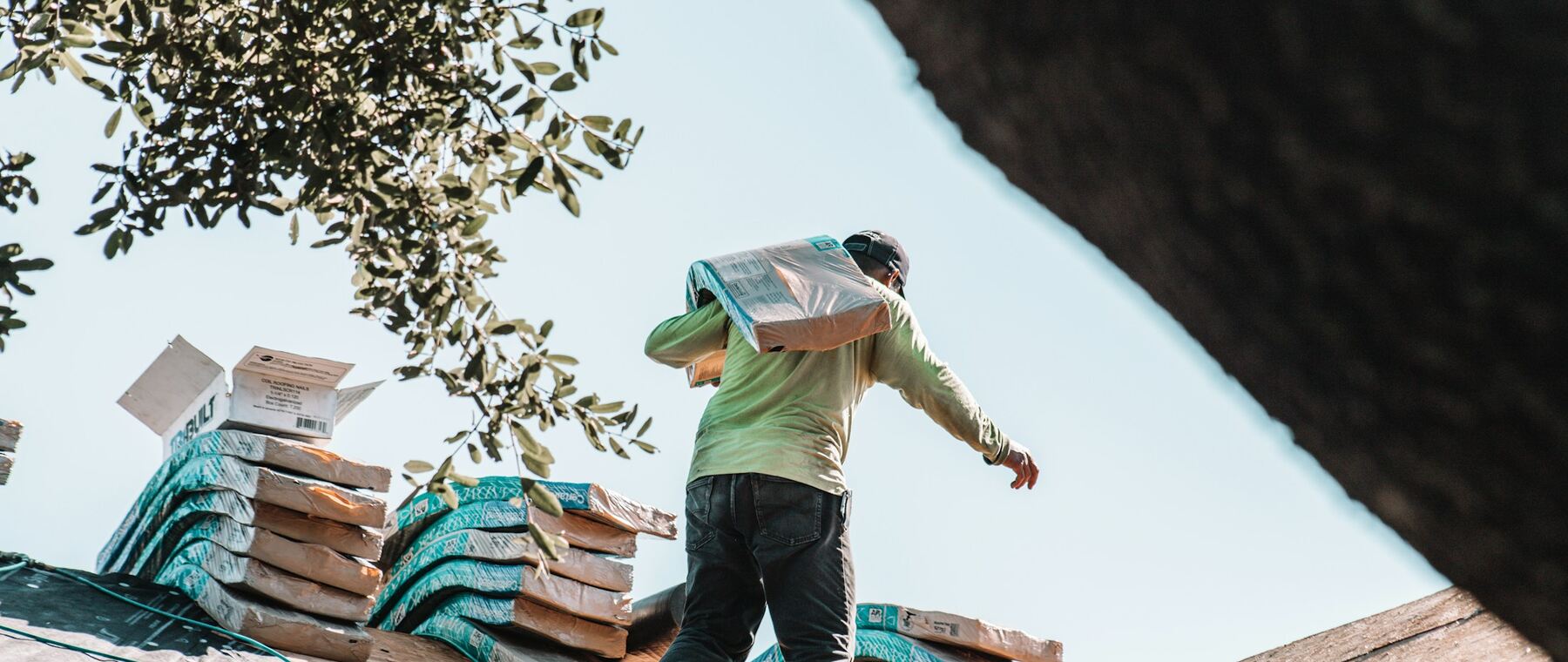
Not every roof problem is a new roof. A lot of leaks are one piece of flashing, one lifted course of shingles, or a valley that was never done right — and finding which one it is takes going up there and looking.
Water almost never comes in where the stain is. It comes in higher up, runs along a rafter or the top of the drywall, and drops through at the first place it can. That is why a leak gets chased for two years by people working from inside the house. The fix starts on the roof, at the flashing, valleys and penetrations, working down from above the stain.
If the shingles are still flexible and the deck is sound, a repair is the honest answer and Terry will say so. If the roof is at the end of its life and the granules are already in the gutters, a repair buys you a season and you pay for the work twice. You will get told which one you are looking at.
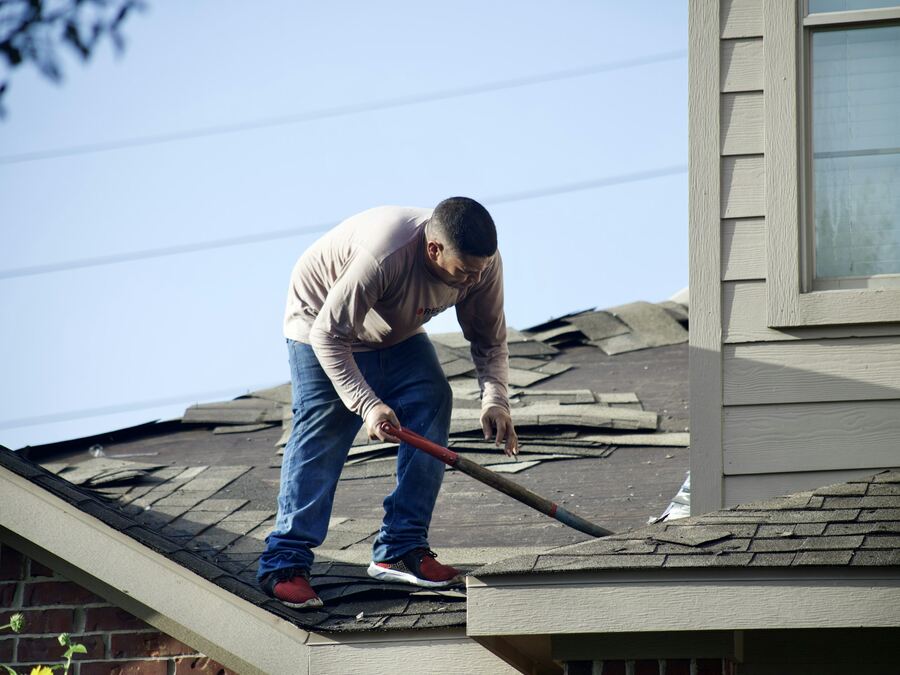
Wind takes shingles off in strips, usually at the ridge or a rake edge, and it lifts the tabs on a lot more than it removes. Hail bruises the mat under the granules, which does not leak today and does in three years. A look after a big storm costs you a phone call.
Or send the details through the form — photos of the problem help more than anything else you can write.
These come up on the same buildings, and it is the same crew either way.
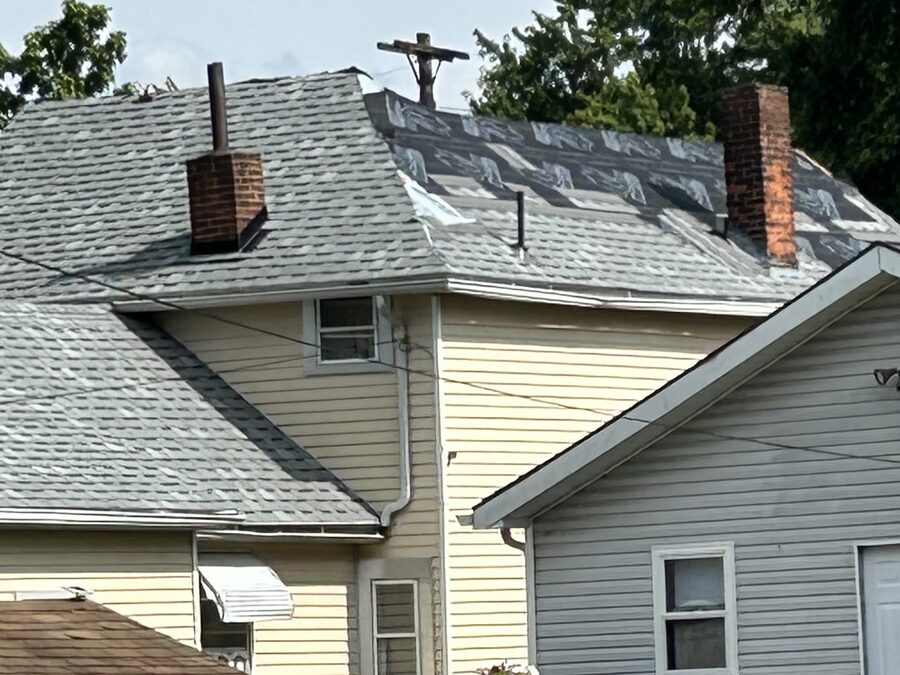
Tear the old roof off, look at what is underneath, and put a new one on that is built to sit there for decades.
Roof Replacement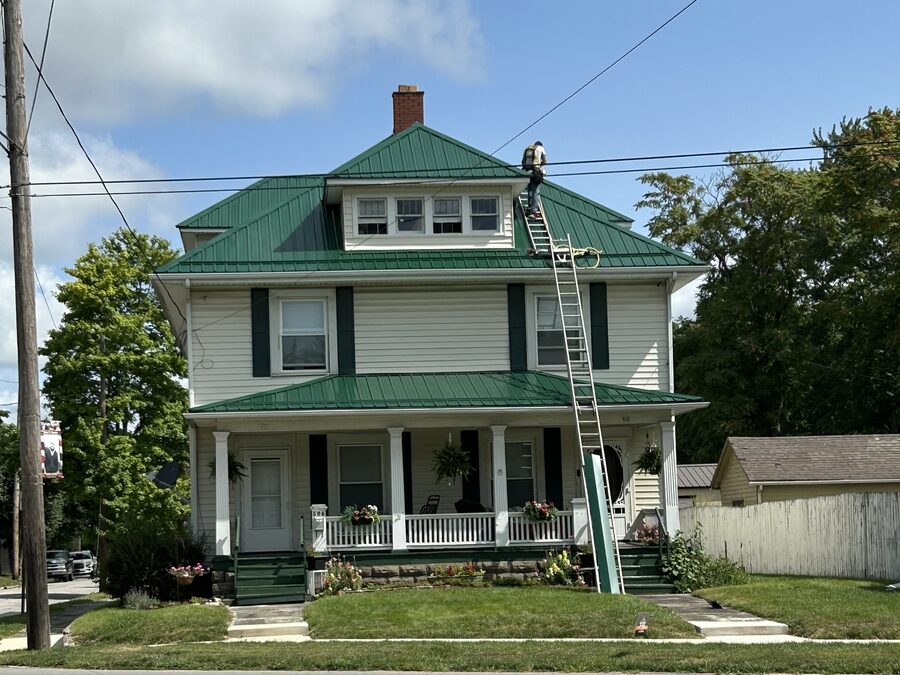
Standing-seam and exposed-fastener metal on houses, churches, barns and commercial buildings. Fifty years instead of twenty.
Metal Roofing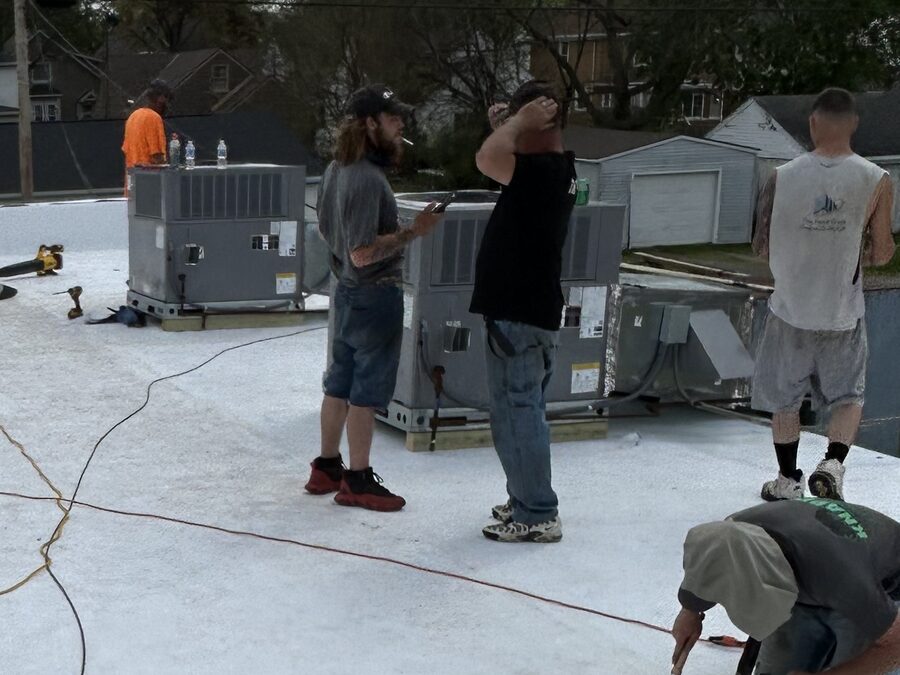
Single-ply membrane on low-slope and flat commercial roofs, with the building still open and running underneath.
Commercial & Flat RoofingCall or text (740) 251-8742 and describe the job — a roof, a porch, a whole exterior, a commercial flat roof. Photos help. You will get a straight answer about what it needs and what it does not.