
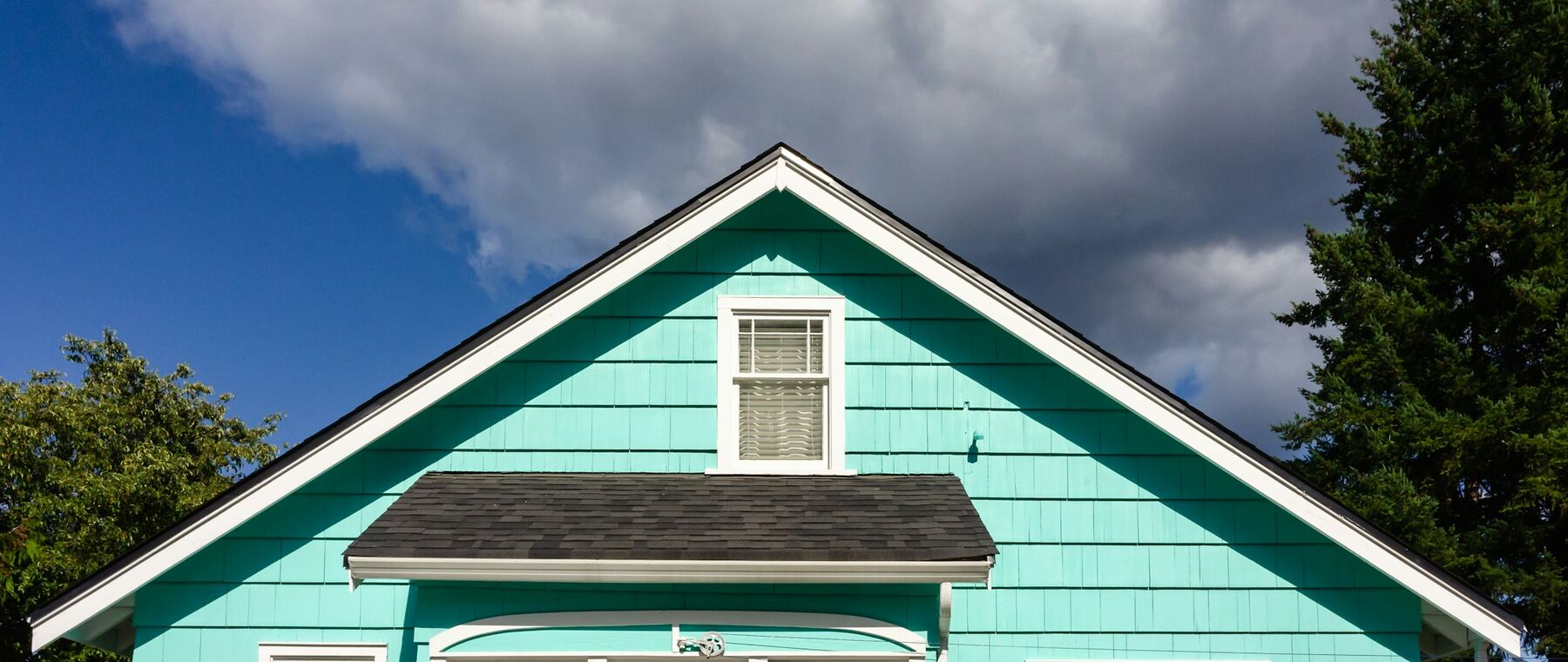
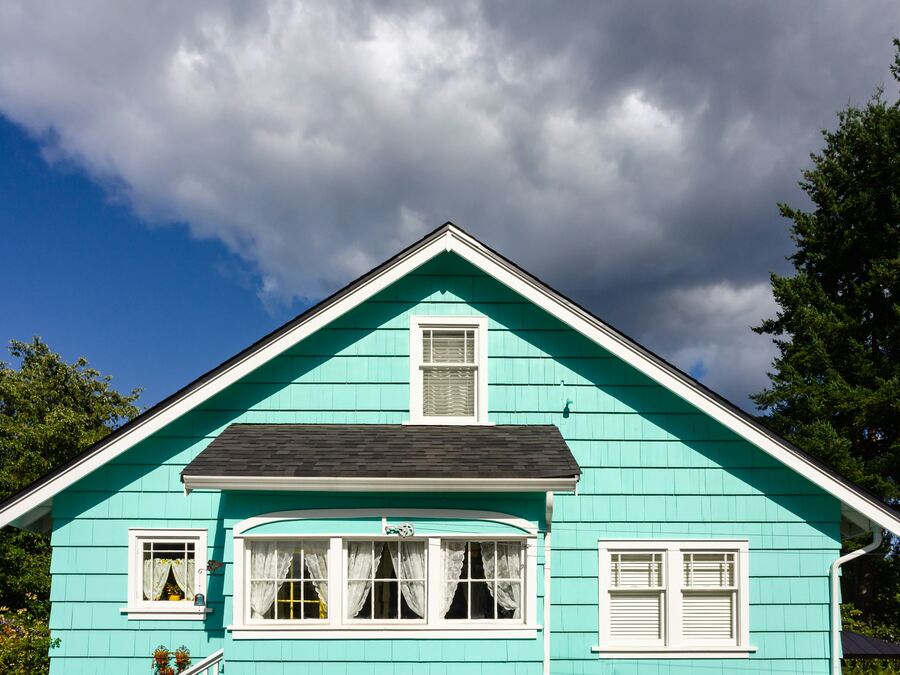
Siding is one of the services Terry named first. A re-side is the biggest visual change you can make to a house for the money — and, done properly, the point where you fix whatever has been quietly getting wet behind the old wall.
The wall under the old siding is where the job is won or lost. Housewrap, flashing over windows and doors, and a proper water-resistive layer are what actually keep the wall dry; the siding is the rain screen in front of them. A crew that pulls off the old wall, finds soft sheathing and covers it back up has sold you a paint job.
A few cracked or wind-damaged panels are a repair. A wall that is chalking, warped, or has been patched in three colors is a re-side. Matching twenty-year-old vinyl is usually not realistic, which is worth knowing before you spend money trying.
Corner posts, J-channel around windows, soffit and frieze boards are where a siding job either looks finished or looks cheap from the street. They are also where water gets in when they are cut short.
A photo of the problem tells Terry more than anything you could write.
These come up on the same buildings, and it is the same crew either way.
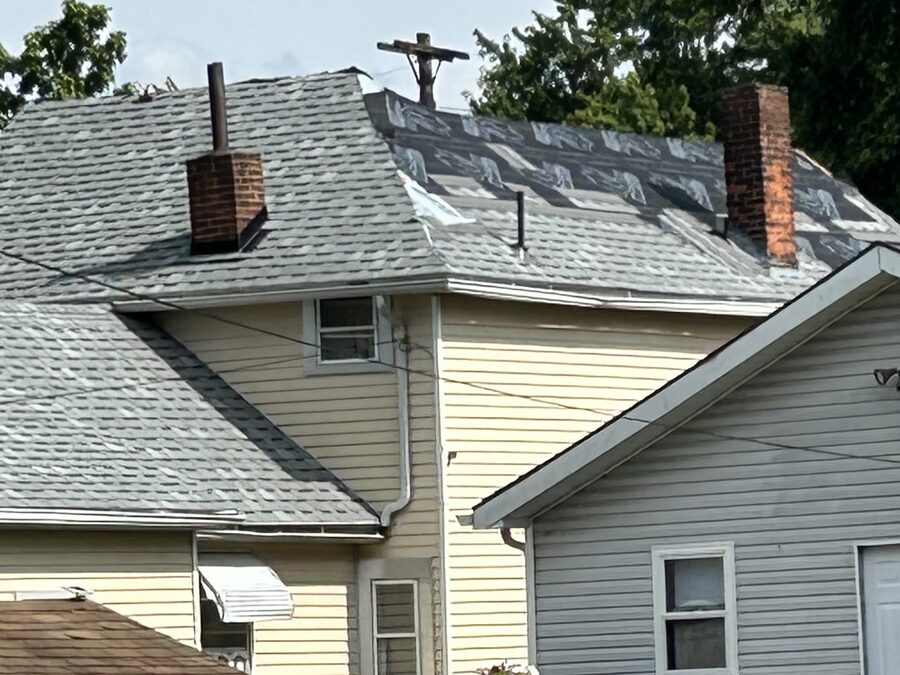
Tear the old roof off, look at what is underneath, and put a new one on that is built to sit there for decades.
Roof Replacement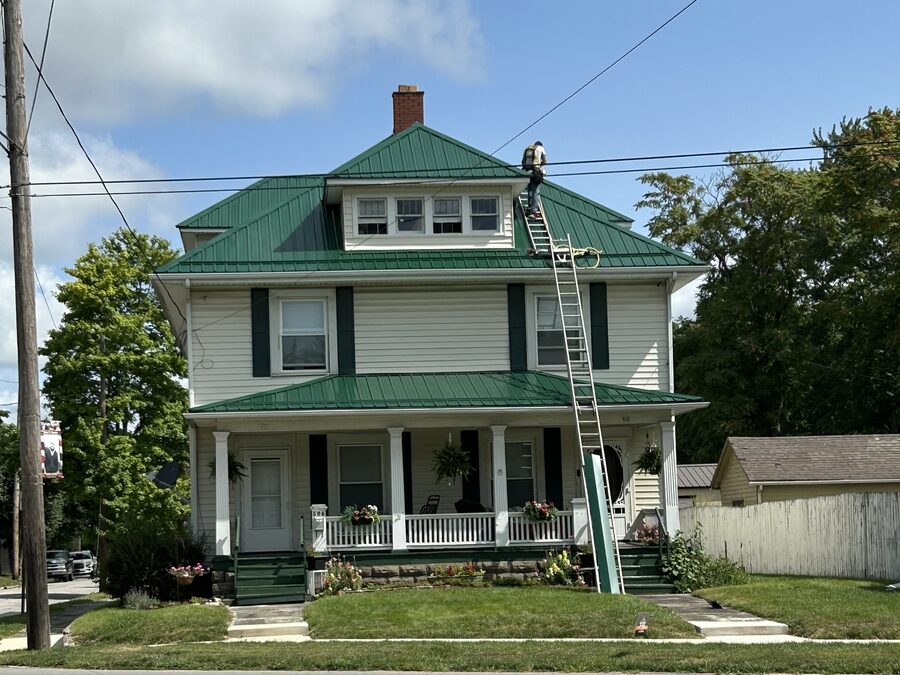
Standing-seam and exposed-fastener metal on houses, churches, barns and commercial buildings. Fifty years instead of twenty.
Metal Roofing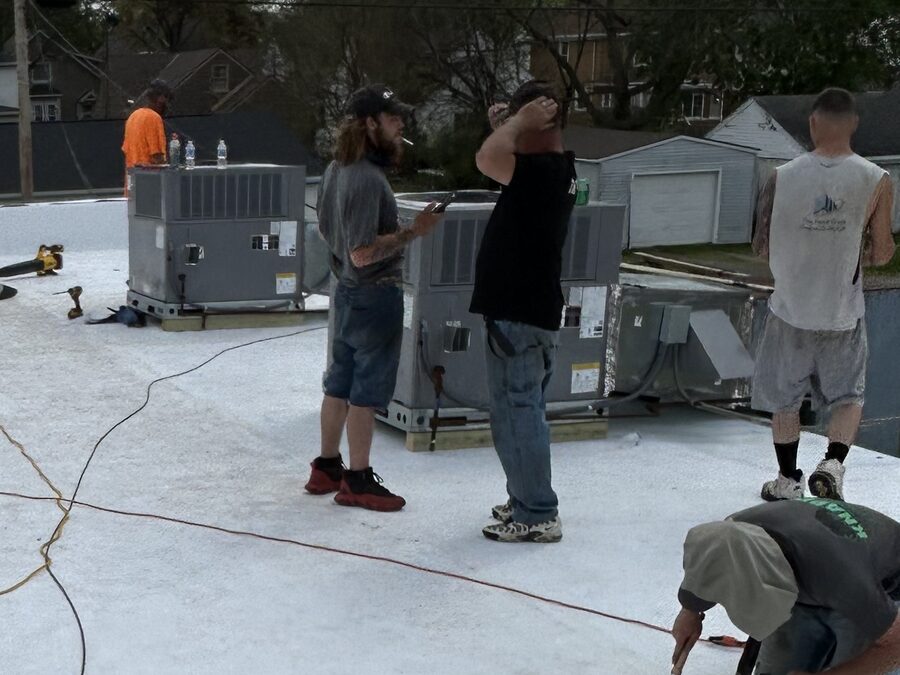
Single-ply membrane on low-slope and flat commercial roofs, with the building still open and running underneath.
Commercial & Flat RoofingCall or text (740) 251-8742 and describe the job — a roof, a porch, a whole exterior, a commercial flat roof. Photos help. You will get a straight answer about what it needs and what it does not.